How to sort household waste at home
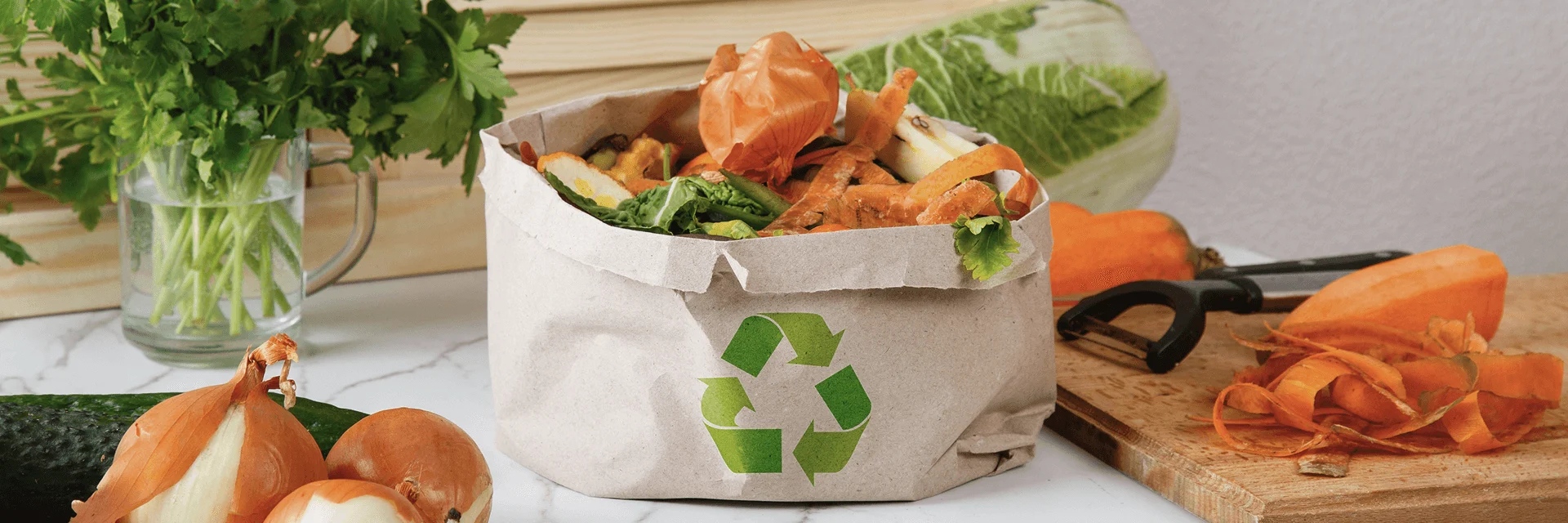
1. Organic Waste (Biodegradable Waste)
Includes:
Leftover food, vegetables, fruit peels
Coffee grounds, leaves, grass
Bones, eggshells…
Processing:
Store in airtight containers to prevent odors.
Can be used as compost for plants.
Collect separately and send to an organic waste processing facility.
2. Recyclable Waste
This group can be reused or recycled:
Plastic: water bottles, plastic containers, clean bags
Paper: newspapers, cardboard, grease-free wrapping paper
Metal: aluminum cans, small metal items
Glass: clean glass bottles
Note:
Wash and dry thoroughly before placing in the recycling bin.
Flatten bottles to save space.
3. Non-Recyclable Inorganic Waste
These are items that do not decompose or cannot be recycled:
Broken ceramics, cracked glass bottles
Grease-stained packaging
Items that are difficult to sort, such as cotton balls, tissues, ashtrays, etc.
Handling:
Carefully wrap sharp objects to avoid injuring collectors.
Place them in a separate bin labeled “Remaining Waste”.
4. Household Hazardous Waste
Includes:
Small batteries
Broken light bulbs, electronic devices
Cleaning chemicals, paint, glue
Expired pesticides, cosmetics
Handling:
Absolutely do not mix with regular household waste.
Store in a separate box/bin labeled “Hazardous Waste”.
Take it to a designated hazardous waste collection point (usually monthly).
Some tips for effective waste sorting:
Prepare 3–4 trash cans with distinct colors or symbols.
Place the cans in easily visible locations to create a habit for the whole family.
Wash recyclable packaging to reduce odor and increase recyclability.
Guide young children to form good habits early on.
Minimize plastic waste by using cloth bags, reusable bottles, and glass containers.
Conclusion:
Sorting household waste at home not only helps reduce environmental pollution and save resources but also facilitates the more efficient operation of advanced waste treatment technologies such as recycling, composting, and waste-to-energy. By changing just a few small habits, each family contributes significantly to protecting our living environment.